Dubbing vs Voice-Over vs UN-Style: Pick the Right Voice for Your Market
Not sure whether to dub, use voice-over, or go UN-style? Here’s a fast framework with cost/time differences, when to use each, a casting brief template, and the delivery specs your studio will ask for.
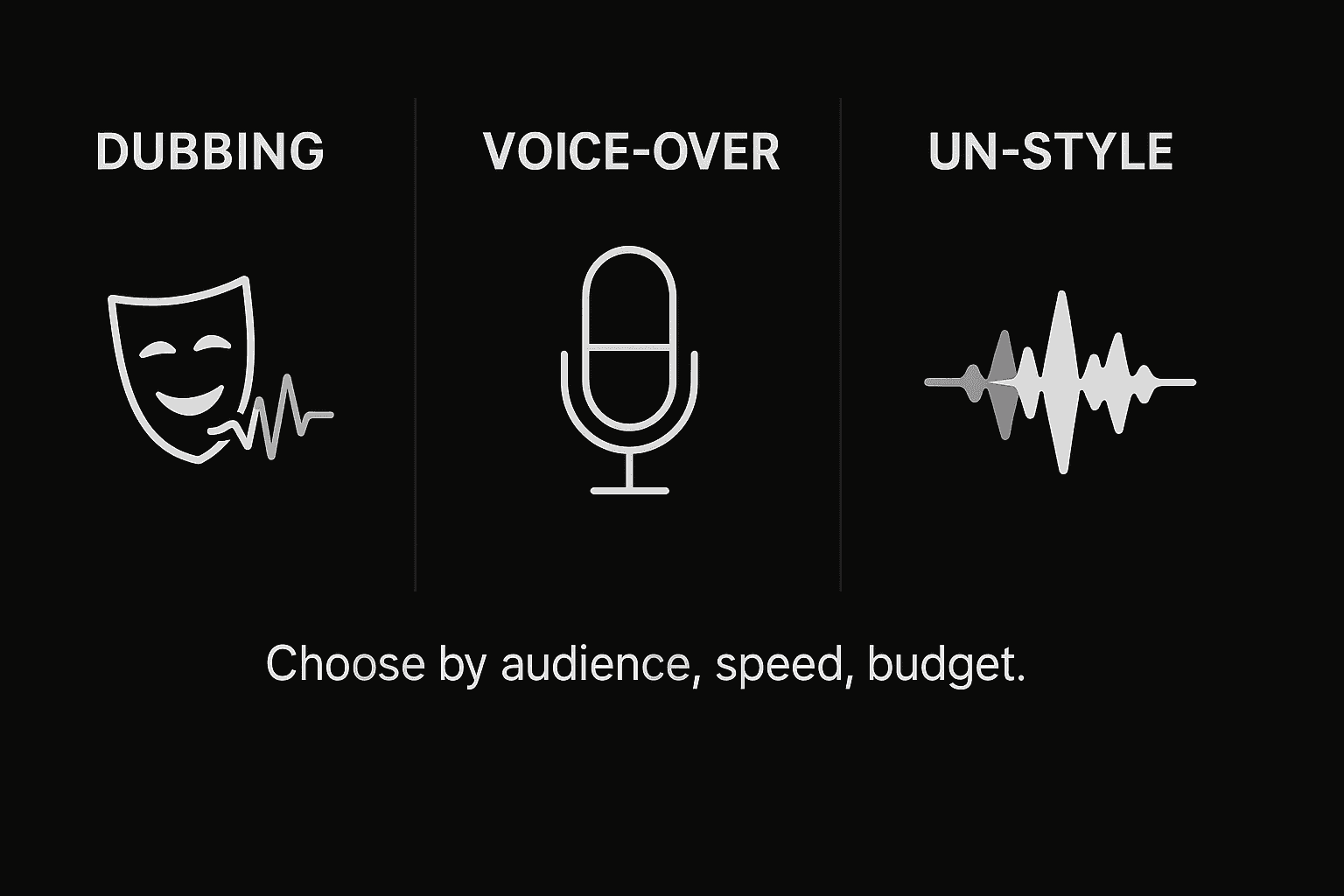
Dubbing vs Voice-Over vs UN-Style: Pick the Right Voice for Your Market
Reading time: ~5 minutes
Choosing the right audio-localization mode is the fastest way to sound native without wasting budget. Here’s a crisp guide to dubbing, voice-over, and UN-style—what they are, when to use them, and how to brief talent so you get it right first time.
The 30-second definitions
Dubbing (lip-sync / ADR)
Replaces original voices completely.
Dialogue is adapted to match lip movements and timing.
Most immersive; best for scripted content and ads.
Voice-Over (narration / replacement VO)
A new voice fully replaces the original (no original audio audible).
Great for eLearning, explainers, corporate videos, product how-tos.
Faster than dubbing; less adaptation required.
UN-Style (overlay)
Original track stays audible at low volume; translator speaks on top.
Ideal for interviews, panels, documentaries, webinars, news.
Fastest and most budget-friendly.
When to use which (quick chooser)
Entertainment / Ads / In-app characters → Dubbing (highest immersion, brand control).
Training, product demos, screencasts → Voice-Over (clear learning focus, consistent tone).
Interviews, conferences, live/fast-turn content → UN-Style (speed and authenticity).
Tight deadline or budget? Start with UN-Style or Voice-Over and level up later.
Strong on-camera lip activity? Prefer Dubbing to avoid mismatch.
Cost & timeline reality (relative only)
Dubbing: $$$ — casting + script adaptation + studio direction + multiple takes for sync.
Voice-Over: $$ — casting + straightforward script read; minimal sync.
UN-Style: $ — single take overlay; simplest edit.
Tip: For multi-language launches, mix modes: dubbing for your top-reach markets, voice-over/UN-style for the rest.
Casting brief template (copy this)
Audience & market(s): e.g., “ES-MX, BR-PT, FR-FR”
Voice attributes: age range, gender mix, accent/neutrality, tone (friendly, authoritative, youthful, warm)
Performance cues: pace/energy, seriousness/humor, brand adjectives
Pronunciation guide: product names, acronyms, tricky terms (attach list)
References: 1–2 sample videos or links
Legal/usage: territories, media, term, buyout/usage rights
Accessibility add-ons: SDH captions, audio description (if required)
Deliverables: see spec below
Delivery specs the studio will ask for
Audio masters: WAV, 48 kHz / 24-bit, mono or stereo per project
Loudness: EBU R128 −23 LUFS (TV/streaming) or −24 LKFS (ATSC) as required
Stems: Dialogue only; M&E (Music & Effects) stem; full mix preview (MP3/MP4)
Sync: Offset tolerance ±2 frames; room tone for edits; slate/beep if requested
File naming:
Project_Lang_Role_Take.wav(consistent convention)Pickups: budget for minor line fixes after client review
Docs: script (final), pronunciation guide, change log, cue sheet
Optionals: burned-in reference MP4 for sign-off; SRT/WebVTT for captions
Accessibility & compliance (don’t skip)
Provide SDH captions alongside VO/dub for inclusive access.
Confirm usage rights (term, territory, media).
For kids/health/legal content, add an editorial compliance pass.
One-page chooser you can print
Need full immersion + lip match → Dubbing
Need clarity + speed for learning → Voice-Over
Need fast turnaround for interviews/events → UN-Style
Unsure? Record UN-Style now; budget dubbing for hero markets next quarter.
Tags
More Articles
Explore more from our blog
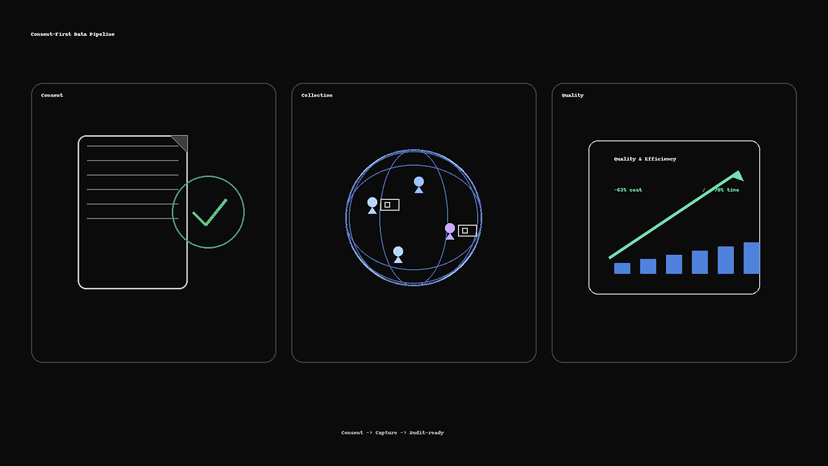
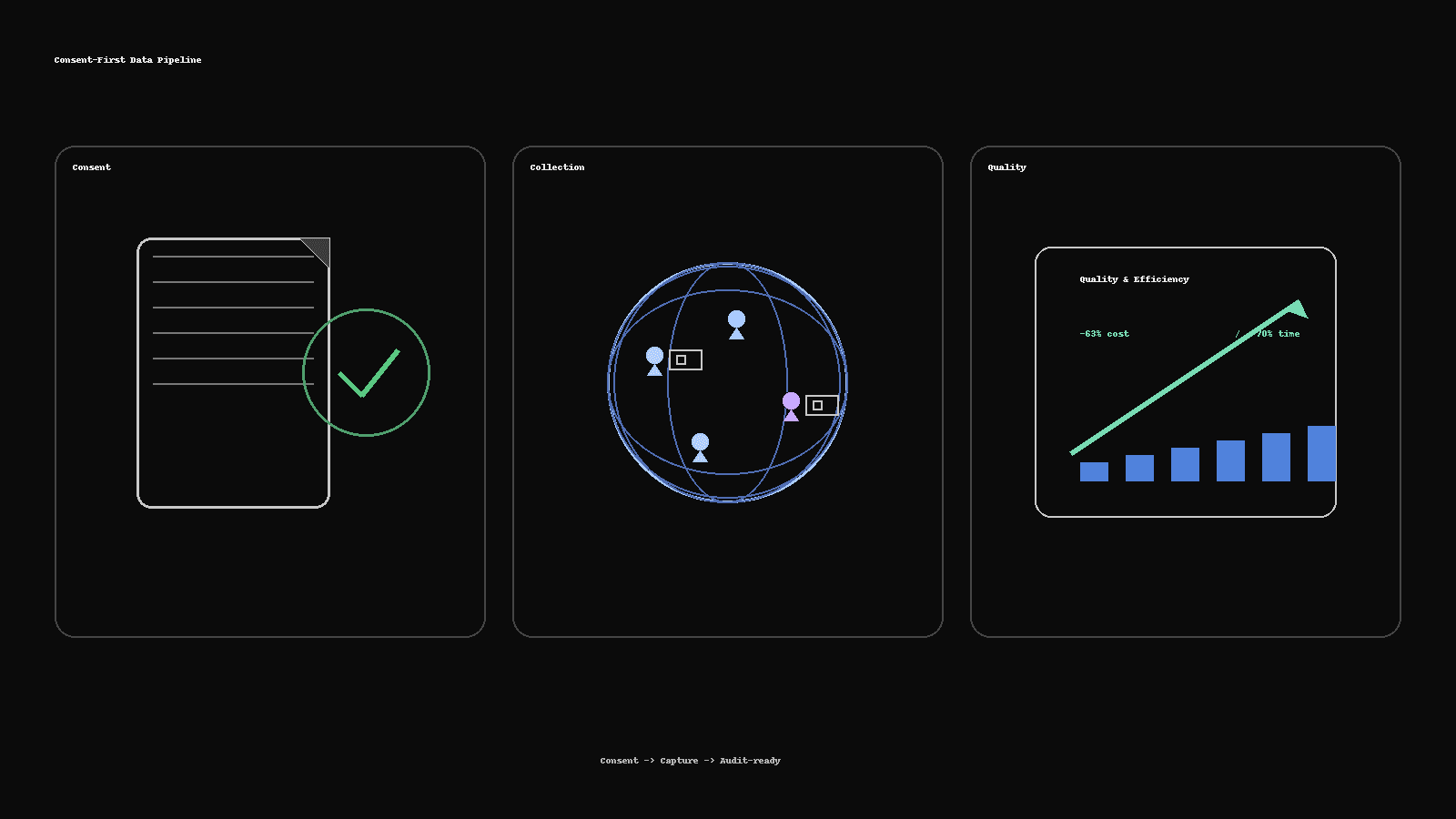
Consent-First Data Collection: How We Delivered 300+ People-Image Sets 63% Cheaper
How Saytica built an audit-ready, real-person image dataset: 300+ participants across six demographic groups, delivered 63% cheaper and 70% faster—using consent kits, vendor routing, QC scorecards, and dedupe pipelines.
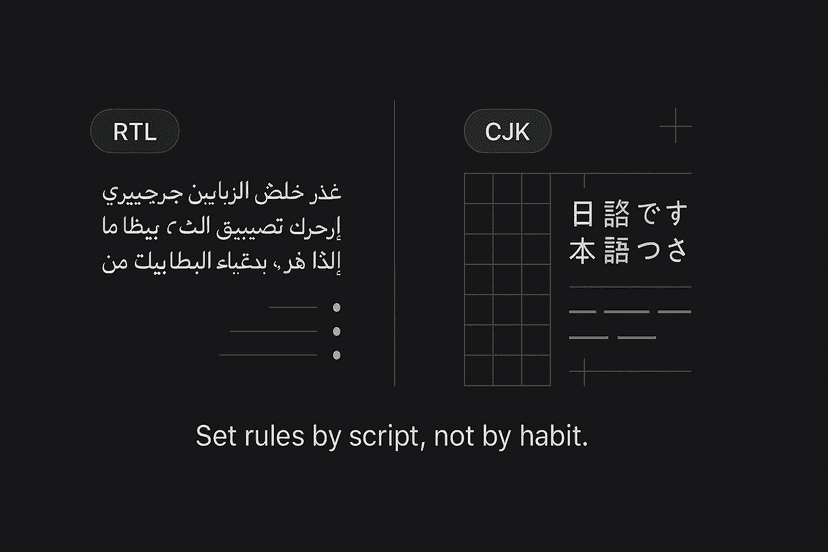
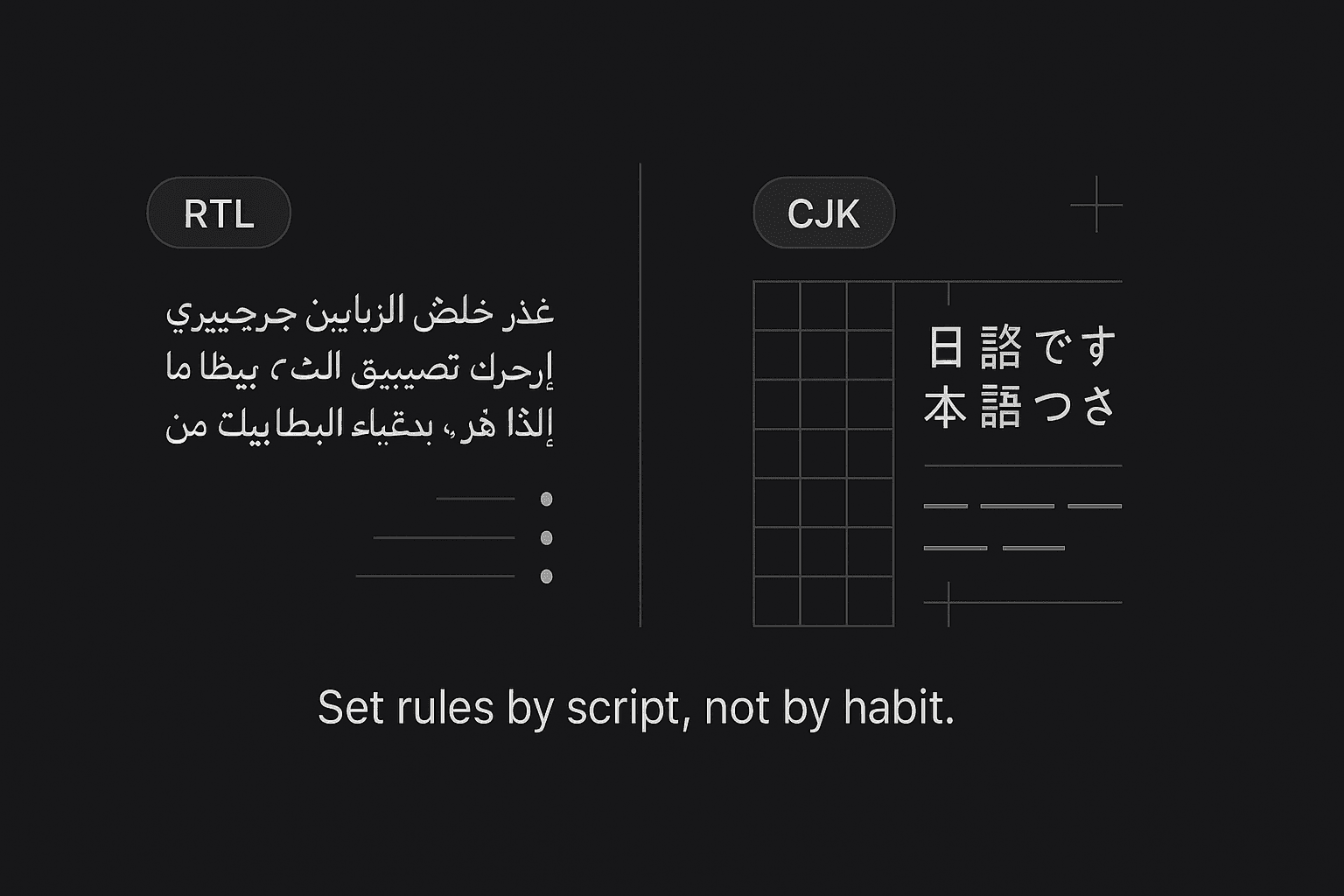
Multilingual DTP Without the Squeeze: RTL/CJK Typography Essentials
Layouts break after translation when RTL and CJK rules aren’t respected. This 5-minute guide covers Arabic/Hebrew (RTL) and Chinese/Japanese/Korean (CJK) essentials, InDesign settings, font choices, and a two-minute preflight checklist.
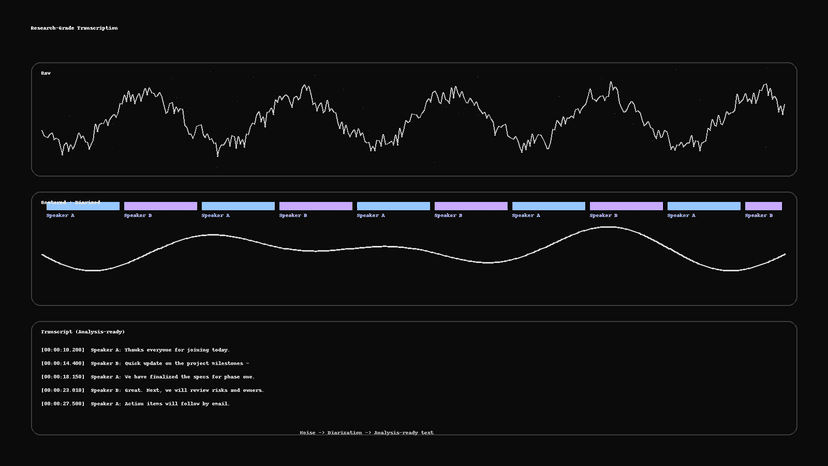
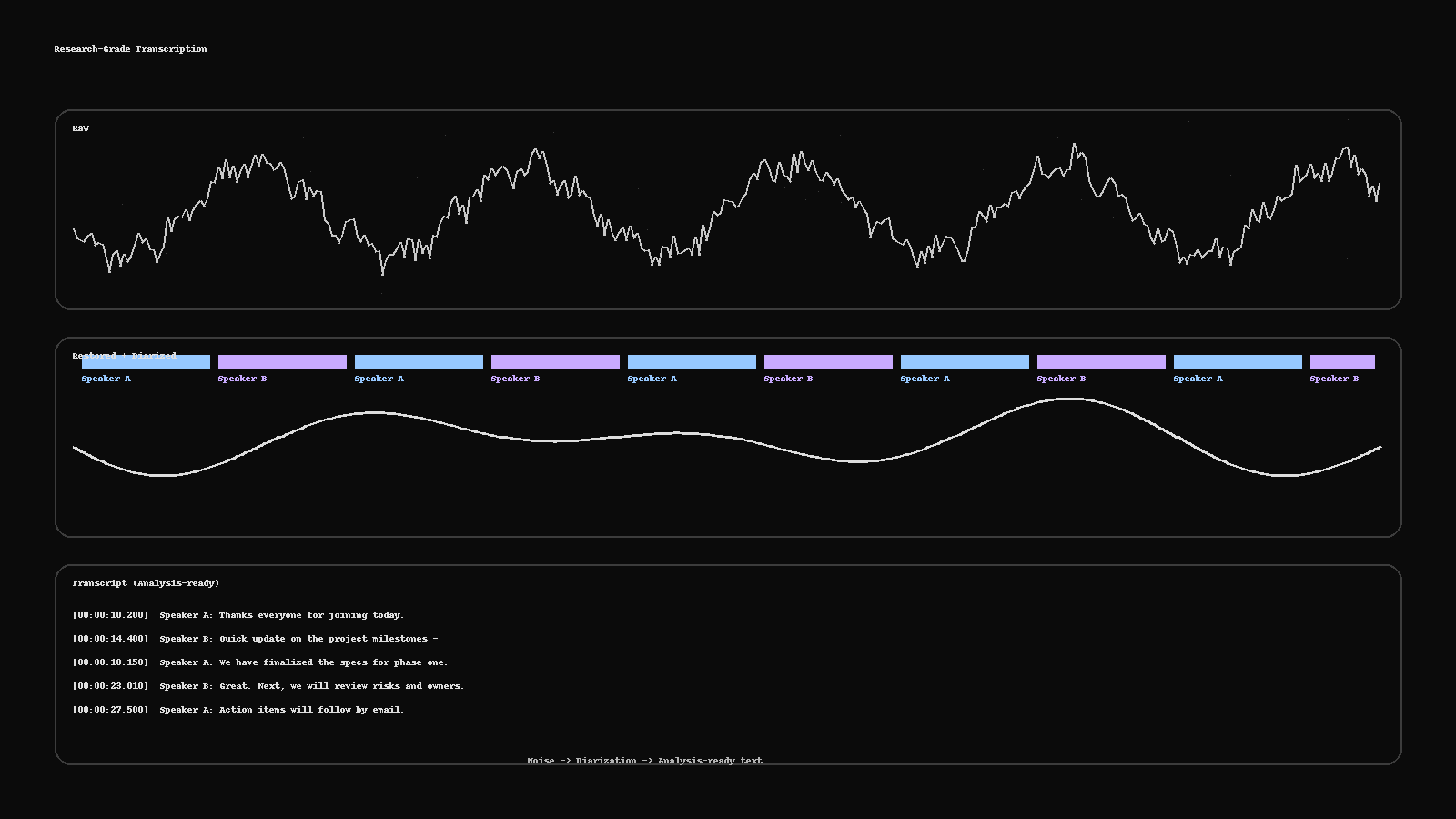
Research-Grade Transcription: From Noisy Audio to Analysis-Ready Text
Turn messy recordings into clean, analysis-ready text. This guide shows a practical pipeline—restoration, diarization, human QC, PII redaction, and deliverables (RTTM, ELAN, TextGrid, SRT)—plus a two-minute checklist to run before publishing.
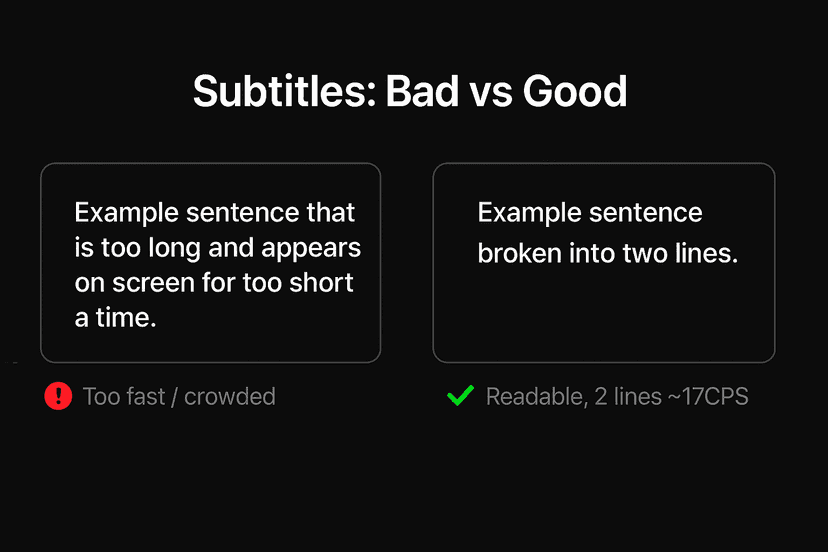
Subtitles That Don’t Feel “Machine”: Read-Speed, SDH & Platform Specs
Why some captions feel robotic—and how to fix them fast. A practical guide to read-speed, SDH vs. standard subtitles, on-screen text, and a simple QC checklist you can run before publish.

The 2025 Localization Playbook: TEP vs MTPE—When to Use Which
Choose the right workflow in 2025. This playbook shows when to use TEP (human translation + edit + proof) and when MTPE makes sense—plus a decision matrix, quality bars, a pilot plan, and risk controls.